- Study Abroad
- / ielts
- / academic
- / reading
- / question types
- / locating information
IELTS Academic Reading Locating Information


Author
07-10-2026


IELTS Academic Reading Locating Information regularly appears in the IELTS Reading test. In this task, the paragraphs/sections of the reading passage will be labelled with alphabets - A, B, C,... and in the question set, there will be a few pieces of information marked with Question numbers. You are required to find out which paragraphs/sections contain the given pieces of information. It will become problematic if you don’t have the right methods to solve the given questions. Tips, methods, and exercises that you’ll see in this post will boost your confidence in answering the questions.
Locating information question type tests your skimming and scanning skills by asking you to locate the specific information in the paragraph. The fundamental steps that you need to follow are to read the statement, understand the main idea, and underline the keywords. Use those keywords to identify the appropriate paragraph to the statement. Repeat this procedure for each statement to finish this task efficiently.
It was stated that IELTS Academic Reading Locating Information is one of the challenging IELTS academic reading question types. You can get all the details and information about this question type by reading this post. This will prepare you to ace the IELTS academic reading test.
Check Out our YouTube Channel to Practice Full-Length IELTS Reading Tests Daily

Table of Contents:
- IELTS Academic Reading Locating Information - Tips & Strategies to Solve
- Locating Information Practice Exercise 1
- Locating Information Practice Exercise 2
- Locating Information Practice Exercise 3
- Locating Information Practice Exercise 4
- Locating Information Practice Exercise 5
- Locating Information Practice Exercise 6
- Locating Information Practice Exercise 7
- Locating Information Practice Exercise 8
- Locating Information Practice Exercise 9
- Answers for Practice Exercises
- Conclusion
IELTS Academic Reading Locating Information -Tips & Strategies to Solve
Enhance your task solving ability with the help of 12 IELTS Academic Reading Locating Information tips and strategies, which we’ve mentioned below. These tips and methods are all created by trained professionals, who are proficient in IELTS academic reading section.

- Read the instructions carefully. Skimming the whole passage can prove helpful as it gives an idea of the type of information contained in each paragraph.
- Remember, you are not looking for the gist of the paragraphs, you are searching for specific information. The questions usually indicate what type of information you must look for, such as a description, a reason, examples etc.
- Sometimes, a paragraph can be used more than once as an answer. Instruction is provided in that case.
- Read the question and understand what type of information it is. For example, it can be like facts, descriptions or explanations.
- Read the first labelled paragraph carefully. Now read all the questions and decide if any of the keywords or their synonyms are present in the paragraph. Read the portion carefully and judge whether it conveys the same information as in the question. If so, write the paragraph letter by that question.
- If you find more than one paragraph containing similar information, re-read the paragraphs and the question and choose the best one. Here you should focus on the synonyms of keywords and paraphrased information.
- If any relevant information is found, read the portion carefully to decide whether the information matches with the question statement. If so, this could be your possible answer.
- Be attentive while you’re answering the questions. Good amount of attention prevents errors in the answering process.
- Scanning proves to be a good method. The nature of scanning is looking for specific information or facts. You can use scanning to locate which paragraph contains given information.
- Don’t be hasty. Detailed reading is required in order to figure out whether the information exists in the paragraph or not.
- Use the Process of Elimination.Take the specific statement and eliminate the paragraphs which don't fit with the chosen statement. This technique helps you to choose the suitable answer.
- Underline the names, places and numbers in the question statements. These are the things you can find easier in the test.
We hope these IELTS academic reading locating information tips and strategies will benefit you for achieving high band scores in the IELTS reading test.
Also read: IELTS academic reading tips
Challenges faced while answering Locating Information Questions
- Answers can be anywhere in the reading text. So, you need to look at the whole text.
- More often, the answer might not be the key idea or gist of the paragraph, it can be even some small details in the paragraph.
- You may come across irrelevant information which could consume your time.
Skills required for answering the Locating Information Question
- Skimming ability to get the main idea of the paragraph
- Scanning ability to find the specific information
- Ability to identify synonyms and paraphrased words
Locating Information Practice Exercise 1
Answer questions 1-6 which are based on the reading passage below.
Incredible Journeys Reading Passage
- The nervous system of the desert ant Cataglyphis fortis, with around 100,000 neurons, is about 1 millionth the size of a human brain. Yet, in the featureless deserts of Tunisia, this ant can venture over 100 meters from its nest to find food without becoming lost. Imagine randomly wandering 20 kilometres in the open desert, your tracks obliterated by the wind, then turning around and making a beeline to your starting point - and no GPS allowed! That's the equivalent of what the desert ant accomplishes with its scant neural resources. How does it do it?
- Jason, a graduate student studying the development of human and animal cognition, discusses a remarkable series of experiments on the desert ant on his blog, The Thoughtful Animal. In work spanning more than 30 years, researchers from Rüdiger Wehner's laboratory at the University of Zurich Institute of Zoology carefully tracked the movements of ants in the desert as the insects foraged for food. One of the researchers' key questions was how the ants calculated the direction to their nest.
- To check for the possibility that the ants used landmarks as visual cues, despite the relatively featureless desert landscape, the researchers engaged in a bit of trickery. They placed a food source at a distance from a nest, then tracked the nest's ants until the ants found the food. Once the food was found, the ants were relocated from that point so that the way back to their nest was a different direction than it would have been otherwise. The relocated ants walked away from the nest, in the same direction they should have walked if they had never been moved. This suggested that the ants are not following features, but orienting themselves relative to an internal navigation system or (as turned out to be the case) the position of the Sun in the sky.
- No matter how convoluted a route the ants take to find the food, they always return in a straight-line path, heading directly home. The researchers discovered the ants navigation system isn't perfect, small errors arise depending on how circuitous their initial route was. But the ants account for these errors as well, by walking in a corrective zigzag pattern as they approach the nest. So how do the ants know how far to travel? It could still be that they are visually tracking the distance they walk. The researchers tested this by painting over the ants' eyes for their return trip, but the ants still walked the correct distance, indicating that the ants are not using sight to measure their journeys.
- Another possibility is that the ants simply count their steps. In a remarkable experiment published in Science in 2006, scientists painstakingly attached 'stilts' made of pig hairs to some of the ants' legs, while other ants had their legs clipped, once they had reached their food target. If the ants counted their steps on the journey out, then the newly short-legged ants should stop short of the nest, while stilted ants should walk past it. Indeed, this is what occurred! Ants count their steps to track their location. (If only you had remembered to do this before you started on your 20-kilometre desert trek!)
- But other creatures have different navigation puzzles to solve. In a separate post, Jason explains a study showing how maternal gerbils find their nests. When a baby is removed from the nest, the gerbil mother naturally tries to find and retrieve it. Researchers placed one of the babies in a cup at the centre of a platform, shrouded in darkness. When the mother found the baby, the platform was rotated. Did she head for the new position of her nest, with its scents and sounds of crying babies? No, she went straight to the spot where the nest had been, ignoring all these other cues. For gerbils, relying on the internal representation of their environment normally suffices, so the other information goes unheeded.
- Migratory birds, on the other hand, must navigate over much larger distances, some of them returning to the identical geographic spot year after year. How do they manage this trick? One component, University of Auckland researcher and teacher Fabiana Kubke reports, is the ability to detect the Earth's magnetic field. Though we've known about this avian sixth sense for some time, the location of a bird's magnetic detector is still somewhat of a mystery. Last November, however, a team led by Manuela Zapka published a letter in Nature that narrowed the possibilities. Migratory European Robins have magnetic material in their beaks, but also molecules called cryptochromes in the back of their eyes that might be used as a sort of compass. The team systematically cut the connections between these two areas and the Robins' brains, finding that the ability to orient to compass points was only disturbed when the connection to cryptochromes was disrupted.
- Much remains to be learned about how birds can successfully migrate over long distances. Unlike ants and gerbils, they can easily correct for large displacements in location and return to the correct spot.
Questions 1- 6
This reading passage has eight paragraphs, A–H.
Which paragraph contains the following information?
Write the correct letter, A - H, as your answer to each question.
- An explanation of how adjustments are made when navigating
- Recent news about how navigation systems work
- A comparison of tracking abilities
- A study showing that scent and sound are not important
- Explaining the importance of counting
- A description of how ants navigate
Locating Information Practice Exercise 2
Answer questions 1-7 which are based on the reading passage below.
The Dodo Reading Passage
- The dodo, formerly known as 'Didus ineptus', has been renamed 'Raphus cuculatus’. The dodo is the most famous extinct species in the history of planet Earth. Its first contact with Europeans was in 1598, when a Dutch expedition headed by Admiral Jacob Cornelius van Neck landed on an island, thick with dense forests of bamboo and ebony, off the east coast of Africa. The island was named Mauritius by the adventurous and artistic admiral – the first man to draw the extraordinary and unique flightless bird, now universally known as the dodo (from the Dutch word 'dodoor' meaning sluggard) The demise of the dodo has been attributed to hungry Dutch sailors en route to the Spice Islands of Indonesia. They would take a dinner break on the tropical island and consume the defenceless dodo, but it was clearly an acquired taste as the sailors named it ‘valghvogel’ - meaning disgusting bird.
- The island of Mauritius is only 10 million years old, and until the arrival of European settlers, there were no island predators to threaten the easy-going existence of the dodo, a bird that had evolved from the African fruit-eating pigeons of the genus 'Treron'. This benign, predator-free paradise had allowed the dodo to evolve into a pedestrian bird with tiny wings unable to rise even a few inches off the ground. The dodo was no match for the cunning, domestic pets of Europe and within less than a 100 years after the first landing of van Neck and his band of adventurers, the dodo was extinct -- the last egg devoured, no doubt, by an overstuffed rat whose ancestors had emigrated from the sewers of Amsterdam with the original Dutch colonists.
- The popular image of a fat and stupid creature comes from the celebrated painting the dodo by Jan Savery (1589–1654). On his visits to the Oxford University Museum, Lewis Carroll was inspired by this image and the only remaining dodo skull and claw (both are still on display there) to create his own fictionalversion for ‘Alice's Adventures in Wonderland' - "When they had been running for half an hour, or so, the Dodo suddenly called out, 'The race is over', and they all crowded round it, panting, and asking, ‘But who has won?’”
- That image of the weird, flightless, dim-witted dodo is now being challenged by contemporary scientific research. Dr Andrew Kitchener has created two life-size reproductions of the dodo - one is housed in the Royal Museum of Scotland in Edinburgh, and the other is in the Oxford University Museum. They are based on research using hundreds of actual dodo skeletons and bones unearthed by naturalists in the Mare aux Songes swamp in South-East Mauritius.
- The new slimmer streamline dodo is very different from the fat cuddly buffoon celebrated in the picture of Jan Savery. Dr Kitchener's research presents us with a lithe, active, smart dodo superbly adapted to live and survive prosperously in the forests of its native Mauritius. The popular image of a fat, immobile, flightless dodo was drawn by Savery and his contemporaries because the live specimens that they used as models had been shipped over to Europe on a diet of ships biscuits and weevils and then overstuffed by their overzealous owners as they exhibited them to the general public.
- In 1991 further credence was given to this new image of the dodo when a series of long-lost drawings by Harmenszoon dating from 1601 was discovered in the Hague after having been lost for over 150 years. These drawings confirm the thin streamline image first seen in van Neck's drawings of the dodo frsual, careless extinction will continue to fascinate generations to come.
Questions 1- 7
This reading passage has eight paragraphs, A–F.
Which paragraph contains the following information?
Write the correct letter, A - F, as your answer to each question.
Note: You may use any letter more than once.
- The reason for the dodo being a flightless bird
- Reference to a study on which a new theory about dodo is based
- Mention of the type of vegetation found at a place
- Two contrasting depictions of the dodo
- Reference to the birth of a fictional character
- Further evidence supporting the new perception of the dodo
- The reason for the wrong portrayal of the dodo
Locating Information Practice Exercise 3
Answer questions 1-6 which are based on the reading passage below.
World's oldest leather shoe found in Armenia Reading Passage
- A perfectly preserved shoe, 1,000 years older than the Great Pyramid of Giza in Egypt and 400 years older than Stonehenge in the UK, has been found in a cave in Armenia. The 5,500- year-old shoe, the oldest leather shoe in the world, was discovered by a team of international archaeologists.
- The cow-hide shoe dates back to 3,500 BC (the Chalcolithic period) and is in perfect condition. It was made of a single piece of leather and was shaped to fit the wearer’s foot. It contained grass; although the archaeologists were uncertain as to whether this was to keep the foot warm or to maintain the shape of the shoe, a precursor to the modern shoe-tree perhaps? “It is not known whether the shoe belonged to a man or woman,” said lead author of the research, Dr Ron Pinhasi, University College Cork, Ireland “as, while small, (European size 37; US size 7 women), the shoe could well have fitted a man from that era.” The cave is situated in the Vayotz Dzor province of Armenia, on the Armenian, Iranian, Nakhichevanian and Turkish borders, and was known to regional archaeologists due to its visibility from the highway below.
- The stable, cool and dry conditions in the cave resulted in exceptional preservation of the various objects that were found, which included large containers, many of which held well-preserved wheat and barley, apricots and other edible plants. The preservation was also helped by the fact that the floor of the cave was covered by a thick layer of sheep dung which acted as a solid seal over the objects, preserving them beautifully over the millennia!
- “We thought initially that the shoe and other objects were about 600-700 years old because they were in such good condition,” said Dr Pinhasi. “It was only when the material was dated by the two radiocarbon laboratories in Oxford, UK, and in California, US that we realised that the shoe was older by a few hundred years than the shoes worn by Ötzi, the Iceman.” Three samples were taken to determine the absolute age of the shoe and all three tests produced the same results. The archaeologists cut two small strips of leather off the shoe, and sent one strip to the Oxford Radiocarbon Accelerator Unit at the University of Oxford and another to the University of California – Irvine Accelerator Mass Spectrometry Facility. A piece of grass from the shoe was also sent to Oxford to be dated and both shoe, and grass were shown to be the same age.
- The shoe was discovered by Armenian PhD student, Ms Diana Zardaryan, of the Institute of Archaeology, Armenia, in a pit that also included a broken pot and wild goat horns. “I was amazed to find that even the shoe-laces were preserved,” she recalled. “We couldn’t believe the discovery,” said Dr Gregory Areshian, Cotsen Institute of Archaeology at UCLA, US, co-director who was at the site with Mr Boris Gasparyan, co-director, Institute of Archaeology, Armenia when the shoe was found. “The crusts had sealed the artefacts, and archaeological deposits and artefacts remained fresh dried, just like they were put in a can,” he said.
- The oldest known footwear in the world, to the present time, are sandals made of plant material, that were found in a cave in the Arnold Research Cave in Missouri in the US. Other contemporaneous sandals were found in the Cave of the Warrior, Judean Desert, Israel, but these were not directly dated so that their age is based on various other associated artefacts found in the cave.
- Interestingly, the shoe is very similar to the pampooties worn on the Aran Islands (in the West of Ireland) up to the 1950s. “In fact, enormous similarities exist between the manufacturing technique and style of this shoe and those found across Europe at later periods, suggesting that this type of shoe was worn for thousands of years across a large and environmentally diverse region,” said Dr Pinhasi.
- “We do not know yet what the shoe or other objects were doing in the cave or what the purpose of the cave was,” said Dr Pinhasi. “We know that there are children’s graves at the back of the cave, but so little is known about this period that we cannot say with any certainty why all these different objects were found together.” The team will continue to excavate the many chambers of the cave.
Questions 1- 6
This reading passage has eight paragraphs, A–H.
Which paragraph contains the following information?
Write the correct letter, A - H, as your answer to each question.
Note: You may use any letter more than once.
- Testing different parts of the shoe to confirm the age
- Comparison of an artefact with ancient monuments
- Mention of a particular footwear of relatively modern era
- Unanswered questions about the shoe
- Mention of natural factors that aided conservation of the artefacts
- A reference to limited knowledge restricting conclusion
Locating Information Practice Exercise 4
Answer questions 1-6 which are based on the reading passage below.
Reclaiming the Future of Aral Sea Reading Answers
- The Aral Sea gets almost all its water from the Amu and Syr rivers. Over millennium the Amu’s course has drifted away from the sea, causing it to shrink. But the lake always rebounded as the Amu shifted back again. Today heavy irrigation for crops such as cotton and rice siphons off much of the two rivers, severely cutting flow into their deltas and thus into the sea. Evaporation vastly outpaces any rainfall, snowmelt or groundwater supply, reducing water volume and raising salinity. The Soviet Union hid the sea’s demise for decades until 1985, when leader Mikhail Gorbachev revealed the great environmental and human tragedy. By the late 1980s the sea’s level had dropped so much that the water had separated into two distinct bodies: the Small Aral (north) and the Large Aral (south). By 2007 the south had split into a deep western basin, a shallow eastern basin and a small, isolated gulf. The Large Aral’s volume had dropped from 708 to only 75 cubic kilometers (km3), and salinity had risen from 14 to more than 100 grams per liter (g/1). The 1991 dissolution of the Soviet Union divided the lake between newly formed Kazakhstan and Uzbekistan, ending a grand Soviet plan to channel in water from distant Siberian rivers and establishing competition for the dwindling resource.
- Desiccation of the Aral Sea has wrought severe consequences. Greatly reduced river flows ended the spring floods that sustained wetlands with freshwater and enriched sediment. Fish species in the lakes dropped from 32 to 6 because of rising salinity and loss of spawning and feeding grounds (most survived in the river deltas). Commercial fisheries, which caught 40,000 metric tons of fish in 1960, were gone by the mid-1980s; more than 60,000 related jobs were lost. The most common remaining lake occupant was the Black Sea flounder, a saltwater fish introduced in the 1970s, but by 2003 it had disappeared from the southern lakes because salinity was more than 70 g/1, double that of a typical ocean. Shipping on the Aral also ceased because the water receded many kilometers from the major ports of Aralsk to the north and Moynak in the south; keeping increasingly long channels open to the cities became too costly. Groundwater levels dropped with falling lake levels, intensifying desertification.
- The receding sea has exposed and dried 54,000 square kilometers of seabed, which is choked with salt and in some places laced with pesticides and other agricultural chemicals deposited by runoff from area farming. Strong windstorms blow salt, dust and contaminants as far as 500 km. Winds from the north and northeast drive the most severe storms, seriously impacting the Amu delta to the south—the most densely settled and most economically and ecologically important area in the region. Afrbome sodium bicarbonate, sodium chloride and sodium sulfate kill or retard the growth of natural vegetation and crops—a cruel irony given that irrigating those crops starves the sea. Health experts say the local population suffers from high levels of respiratory illnesses, throat and esophageal cancer, and digestive disorders caused by breathing and ingesting salt-laden air and water. Liver and kidney ailments, as well as eye problems, are common. The loss of fish has also greatly reduced dietary variety, worsening malnutrition and anemia, particularly in pregnant women.
- Returning the entire Aral Sea to its 1960s state is unrealistic. The annual inflow from the Syr and Amu rivers would have to be quadrupled from the recent average of 13 km3. The only means would be to curtail irrigation, which accounts for 92 percent of water withdrawals. Yet four of the five former Soviet republics in the Aral Sea basin (Kazakhstan is the exception) intend to expand irrigation, mainly to feed growing populations. Switching to less water- intensive crops, such as replacing cotton with winter wheat, could help, but the two primary irrigating nations, Uzbekistan and Turkmenistan, intend to keep cotton to earn foreign currency. The extensive irrigation canals could be greatly improved; many are simply cuts through sand, and they allow enormous quantities of water to seep away. Modernizing the entire system could save 12 km3 a year but would cost at least $16 billion. The basin states do not have the money or the political will. Kazakhstan has nonetheless tried to partially restore the northern Aral.
- We expect salinities in the Small Aral to settle at three to 14 g/1, depending on location. At these levels many more indigenous species should return, although the saltwater kambala would disappear from most places. Further restoration is possible. For example, if irrigation improvements raised the average annual inflow from the Syr to 4.5 km3, which is entirely feasible, the lake’s level could stabilize at about 47 meters. This change would bring the shoreline to within eight kilometers of Aralsk, the former major port city, close enough to allow recovery of an earlier channel that connected the city to the receding waters. The channel would give large commercial fishing vessels access to the sea, and shipping could restart. Marshlands and fish populations would improve even more because of a further reduction in salinity. Outflow to the southern lakes could also increase, helping then restoration. Such a plan would require a much longer and higher dike, as well as reconstruction of the gate facility, and it is not clear that Kazakhstan has the means or desire to pursue it. The country is, however, now discussing more modest proposals to bring water closer to Aralsk.
- The Large Aral faces a difficult future; it continues to shrink rapidly. Only a long, narrow channel connects the shallow eastern basin and the deeper western basin, and this could close altogether. If countries along the Amu make no changes, we estimate that at current rates of groundwater in and evaporation out, an isolated eastern basin would stabilize at an area of 4,300 square kilometers (km2). But it would average only 2.5 meters deep. Salinity would exceed 100 g/1, possibly reaching 200 g/1; the only creatures that could live in it would be brine shrimp and bacteria. The western basin’s fate depends on ground- water inflow, estimates for which are uncertain. Someone has noted numerous fresh- water springs on the western cliffs. The most reliable calculations indicate that the basin would settle at about 2,100 km2. The lake would still be relatively deep, reaching 37 meters in spots, but salinity would rise well above 100 g/1.
Questions 1-6
The reading Passage has seven paragraphs A-F.
Which paragraph contains the following information? Write the correct letter A-F, in boxes 1-6 on your answer sheet.
NB You may use any letter more than once.
1. ______ A mission impossible
2. ______ An extremely worrying trend for one main part of Aral Sea
3. ______ An uncompleted project because of political reasons
4. ______ A promising recovery in the future
5. ______ A strongly affected populated district
6. ______ The disclosure of a big secret
Locating Information Practice Exercise 5
Answer questions 1-4 which are based on the reading passage below.
Effort and science to win Reading Answers
Winning nowadays is not only a question of disciplined training: The triumph of victory today involves the collaboration of several medical specialists who combine their particular knowledge in an effort to help each athlete to reach their potential.
- In Mexico, the Medicine Direction and Applied Sciences of the National Commission of Deporte analyzes all aspects of sports science from the role of the auditory system in sporting achievement to die power of the mind and its role in the ability to win. Everything, it seems, is open to scrutiny. Recently, the focus has been evaluating the visual acuity of cyclists and long distance runners but they also focus on the more traditional areas of sports research, among them psychology, nutrition, anthropology, biochemistry and odontology1. From budding child athletes as young as 9 to the more mature-aged sportsperson, the facility at Deporte has attracted some of Mexico’s most famous sporting and Olympic hopefuls.
- “The study of elite athletes is now more scientific than ever” says doctor Francisco Javier Squares, “after each competition, athletes are exposed to vigorous medical examinations and follow-up training in order to help US arrive at a program that is tailor-made. “The modern athlete has become big business, no longer is there a one-size-fits-all approach. For example, in the past two people both 1.70 meters tall and weighing 70 kilograms would have been given the same program of athletic conditioning – now this idea is obsolete. It may be that the first individual has 35 kgs of muscle and 15 kgs of fat and the other person, although the same height and weight may have 30 kgs of muscle and 20 kgs of fat. Through detailed scientific evaluation here at our facility in Deporte,” says Squares, “… we are able to construct a very specific training programme for each individual.”
- Whereas many countries in die world focus on the elevation of the glorious champion, the Mexican Olympic team takes a slightly different approach. Psychologically speaking an athlete must bring to his endeavour a healthy dose of humility. As Squares said, “When an athlete wins for Mexico, it is always as a result of a combined team effort with many people operating behind the scenes to realise the sporting achievement. When an athlete stands on the dais, it is because of great effort on the part of many.”
- As is often the case in some poorer countries, sportsmen and women are stifled in their development due to budgetary constraints. However this has not been a factor for consideration with the team in Mexico. The Mexican government has allocated a substantial sum of money for the provision of the latest equipment and laboratories for sports research. In fact, the quality of Mexico’s facilities puts them on a par with countries like Italy and Germany in terms of access to resources. One example of sophisticated equipment used at the Mexican facility is the hyperbaric chamber. This apparatus is used to enhance oxygen recovery after a vigorous physical workout. Says Squares, “When you breathe the air while inside a hyperbaric chamber the natural state of the oxygen does not change. Green plants produced the oxygen; modern technology just increases the air pressure. This does not change the molecular composition of oxygen. Increased pressure just allows oxygen to get into tissues better. Due to our purchase of the hyperbaric chamber, athletes are able to recover from an intense workout in a much shorter space of time. We typically use the chamber for sessions of 45 to 60 minutes daffy or three times per week.”
- When pushed to the limit, the true indicator of fitness is not how hard the heart operates, but how quickly it can recover after an extreme workout. Therefore, another focus area of study for the team in Mexico has been the endurance of the heart. To measure this recovery rate, an electroencephalograph (EEG) is used. The EEG enables doctors to monitor the brainwave activity from sensors placed on the scalp. Athletes exert intense effort for a sustained period after which they are given time to rest and recover. During these periods between intense physical exertion and recovery, doctors are able to monitor any weaknesses in the way the heart responds. The CCG has had a big impact upon our ability to measure the muscular endurance of the heart.
- In 1796, the life expectancy of a human being was between 25 and 36 years, in 1886 that number basically doubled to between 45 and 50. In 1996, the life expectancy of an average Mexican stood at around 75 years. People are living longer and this is due in large part to the advances of modern science. It is not all sophisticated medical equipment that is playing a part; although lesser in impact, basic advances in engineering are also greatly assisting. Take for example, a professional tennis player. In the past, most tennis players’ shoes were constructed with fabric and a solid rubber sole. These shoes were of poor construction and resulted in hip and foot injuries. Today the technology of shoe construction has radically changed. Now some shoes are injected with silicone and made of more comfortable, ergonomic1 construction. This has helped not only the elite but also the recreational sportsperson and thus, helps in the preservation of the human body.
Questions 1-4
- The passage has eight paragraphs labeled A-F
- Which paragraph contains the following information?
- Write the correct letter A-F in boxes 1-4 on your answer sheet.
- NB You may use any letter more than once.
1. The natural process of oxygen production
2. Standard after-competition procedure
3. The areas of study undertaken to improve athletic performance
4. The Mexican viewpoint on winning
Locating Information Practice Exercise 6
Answer questions 1-5 which are based on the reading passage below.
Aristotle
- Aristotle was born in 384 B.C in the small city of Stagira. Even though Aristotle is the student of Plato, he has different views. It is also one of the reasons that Aristotle did not get the position of director of the academy after Plato died. The most important contribution of Aristotle in philosophy is the creation of logic. He claims that learning places in three distinct categories: 1. Theoretical, 2. Practical and 3. Productive. Logic does not belong to any of three categories that was previously mentioned.
- The purpose of logic is to attain knowledge. So, it placed itself in the first step of the learning process. We can discover errors and truths by employing logic. He developed the notion of syllogism. Syllogism is a form of reasoning where one deduces the conclusions based on a series of specific presumptions. He is regarded as the Father of Western Logic. He wrote books such as nicomachean ethics, politics and poetics.
- Aristotle believes that there are totally three rules to check whether the thought is valid or not - The law of identity, the law of non contradiction and the law of excluded middle. The law of identity states that X is X, X possesses certain characteristics and traits to be called as X. The law of non-contradiction states X can’t be X and not X simultaneously, which means the statement can’t be true and false at the same time. The law of the excluded middle states that statement should either be true or false, not in the middle ground.
- Plato developed the theory of forms. Aristotle rejects that theory by saying making a distinction between form and reality could remove all the meaning. Intelligibility is present in all things in the world. He claims that things were manifested by four causes: the material cause, the formal cause, the efficient cause and the final cause. He also contributed to the branch of ethics. He states that the purpose of ethics is to discover the purpose of life and he claims that happiness is the ultimate good to strive.
Questions 1-5
The reading passage has four paragraphs, A-D.
Which paragraph contains the following information?
Write the correct letter, A-D, as your answer to each question
Note: You may choose any letter more than once.
- Aristotle rejects the Plato’s theory
- Syllogism is the form of logic which is developed by aristotle
- Mention of the rules for valid thought.
- Mention of three categories in learning
- Aristotle is considered as the Father of Logic
Locating Information Practice Exercise 7
Answer questions 1-6 which are based on the reading passage below.
Plant Thermometer Trigger
A photoreceptor molecule in plant cells has been found to have a second job as a thermometer after dark – allowing plants to read seasonal temperature changes. Scientists say the discovery could help breed crops that are more resilient to the temperatures expected to result from climate change
- An international team of scientists led by the University of Cambridge has discovered that the ‘thermometer’ molecule in plants enables them to develop according to seasonal temperature changes. Researchers have revealed that molecules called phytochromes – used by plants to detect light during the day – actually change their function in darkness to become cellular temperature gauges that measure the heat of the night.
The new findings, published in the journal Science, show that phytochromes control genetic switches in response to temperature as well as light to dictate plant development. - At night, these molecules change states, and the pace at which they change is ‘directly proportional to temperature’, say, scientists, who compare phytochromes to mercury in a thermometer. The warmer it is, the faster the molecular change – stimulating plant growth.
- Farmers and gardeners have known for hundreds of years how responsive plants are to temperature: warm winters cause many trees and flowers to bud early, something humans have long used to predict weather and harvest times for the coming year. The latest research pinpoints for the first time a molecular mechanism in plants that reacts to temperature – often triggering the buds of spring we long to see at the end of winter.
- With weather and temperatures set to become ever more unpredictable due to climate change, researchers say the discovery that this light-sensing molecule also functions as the internal thermometer in plant cells could help us breed tougher crops. ‘It is estimated that agricultural yields will need to double by 2050, but climate change is a major threat to achieving this. Key crops such as wheat and rice are sensitive to high temperatures. Thermal stress reduces crop yields by around 10% for every one-degree increase in temperature,’ says lead researcher Dr. Philip Wigge from Cambridge’s Sainsbury Laboratory. ‘Discovering the molecules that allow plants to sense temperature has the potential to accelerate the breeding of crops resilient to thermal stress and climate change.’
- In their active state, phytochrome molecules bind themselves to DNA to restrict plant growth. During the day, sunlight activates the molecules, slowing down growth. If a plant finds itself in shade, phytochromes are quickly inactivated – enabling it to grow faster to find sunlight again. This is how plants compete to escape each other’s shade. ‘Light-driven changes to phytochrome activity occur very fast, in less than a second,’ says Wigge.
At night, however, it’s a different story. Instead of a rapid deactivation following sundown, the molecules gradually change from their active to inactive state. This is called ‘dark reversion’. ‘Just as the mercury rises in a thermometer, the rate at which phytochromes revert to their inactive state during the night is a direct measure of temperature,’ says Wigge. - ‘The lower the temperature, the slower the rate at which phytochromes revert to inactivity, so the molecules spend more time in their active, growth-suppressing state. This is why plants are slower to grow in winter. Warm temperatures accelerate dark reversion so that phytochromes rapidly reach an inactive state and detach themselves from the plant’s DNA – allowing genes to be expressed and plant growth to resume.’ Wigge believes phytochrome thermo-sensing evolved at a later stage, and co-opted the biological network already used for light-based growth during the downtime of night.
- Some plants mainly use day length as an indicator of the reason. Other species, such as daffodils, have considerable temperature sensitivity and can flower months in advance during a warm winter. In fact, the discovery of the dual role of phytochromes provides the science behind a well-known rhyme long used to predict the coming season: oak before ash we’ll have a splash, ash before oak we’re in for a soak.
Wigge explains: ‘Oak trees rely much more on temperature, likely using phytochromes as thermometers to dictate development, whereas ash trees rely on measuring day length to determine their seasonal timing. A warmer spring, and consequently a higher likeliness of a hot summer, will result in oak leafing before ash. A cold spring will see the opposite. As the British know only too well, a colder summer is likely to be a rain-soaked one.’ - The new findings are the culmination of twelve years of research involving scientists from Germany, Argentina, and the US, as well as the Cambridge team. The work was done in a model system, using a mustard plant called Arabidopsis, but Wigge says the phytochrome genes necessary for temperature sensing are found in crop plants as well. ‘Recent advances in plant genetics now mean that scientists are able to rapidly identify the genes controlling these processes in crop plants, and even alter their activity using precise molecular “scalpels”,’ adds Wigge. ‘Cambridge is uniquely well-positioned to do this kind of research as we have outstanding collaborators nearby who work on more applied aspects of plant biology, and can help us transfer this new knowledge into the field.’
Questions 1-5
The Reading Passage has eight sections, A-H.
Which section contains the following information?
Write the correct letter, A-H, in boxes 33-37 on your answer sheet.
1. Mention of specialists who can make use of the research findings
2. a reference to a potential benefit of the research findings
3. scientific support for a traditional saying
4. a reference to people traditionally making plans based on plant behavior
5. a reference to where the research has been reported
Locating Information Practice Exercise 8
Answer questions 1-6 which are based on the reading passage below.
Choosing space for a new business
- Small firms searching for space are mostly concerned with three factors: cost, cost, and cost. Nobody ever has enough money, so the desire to buy the cheapest property is strong. It's a blunder that can take decades to undo - and possibly jeopardise the future of a promising company. Ironically, some businesses go too far in the opposite direction, committing to a large initial investment because they believe in the value of the image - which does not come cheap. The true key is to find the proper location. Depending on the type of business, this can and will vary greatly. However, there are a few general guidelines that can be applied to any operation.
- High-street locations are necessary for shops that rely on passing traffic, yet they are costly. Within a few metres of major thoroughfares, rents plummet quickly. Offices, on the other hand, do not need to be centrally placed, especially if the majority of business is conducted over the phone or over email. Access is critical in manufacturing and storage. Consider how things will be delivered and collected from the premises using vans and vehicles.
- Staff may require nearby parking, and public transportation maybe even more essential if traffic limits tighten. This is a critical choice. Basic guidelines on how much space is necessary per office workstation or factory operation are provided by health and safety rules. But don't forget to provide room for expansion.
- Every small firm aspires to grow into a large corporation, but this goal can be thwarted if poor decisions are made early on. It's critical to think about adaptability right from the outset. Is it possible to physically alter the interior of a structure by knocking down walls, extending outwards, or adding extra floors? Is there any vacant land next door that might be used to expand if necessary?
- Landlords must certainly agree to any changes, so it's critical that the contract spells out exactly what's allowed and how much more will be charged on top of the rebuilding or alteration charges. Planning regulations must also be taken into account. Local governments aren't always willing to talk about the future of a building. They may have strict guidelines for rising development density. If the structure is in a conservation area or close to houses, it will be considerably more difficult to make improvements.
Questions 1- 5
This reading passage has eight paragraphs, A–E.
Which paragraph contains the following information?
Write the correct letter, A-E, as your answer to each question.
Note: You may use any letter more than once.
1. The correct space for work is vary depending on the type of business.
2. If traffic restrictions tighten, employees may require nearby parking, and public transportation may become even more important.
3. It's not necessary to have a workspace in the heart of the city, especially if the majority of your business is done over the phone or by email.
4. Local governments aren't always eager to discuss a building's future.
5. Every small business aims to become a major organisation, but if incorrect judgments are made early on, this objective might be impeded.
Locating Information Practice Exercise 9
Answer questions 1-6 which are based on the reading passage below.
Longaeva: Ancient Bristlecone Pine
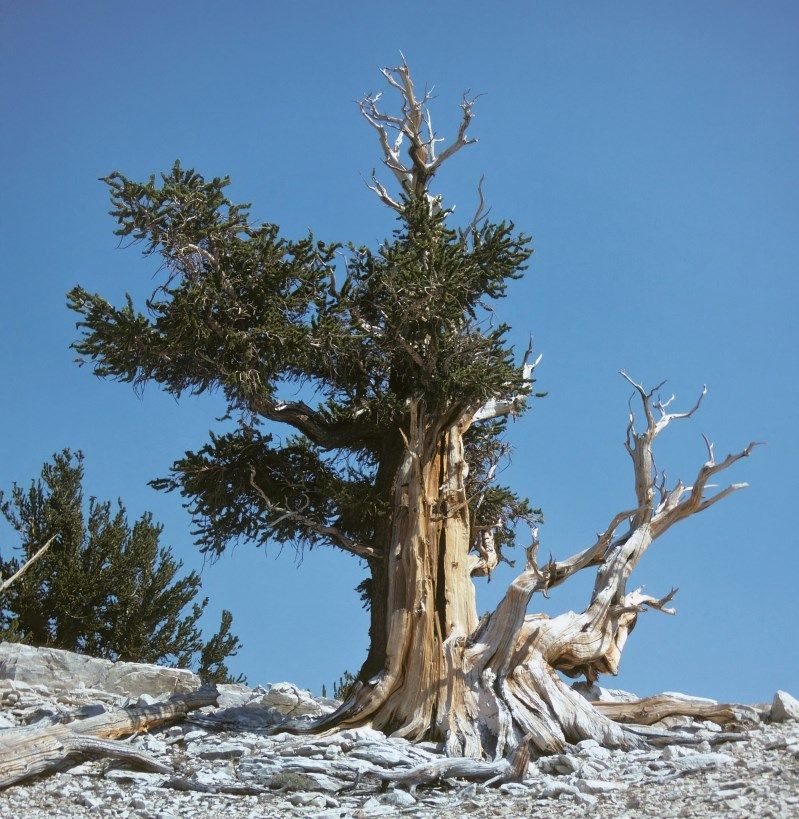
- To understand more about the earth’s history, humans have often looked to the natural environment for insight into the past. The bristlecone pine (Pinus longaeva), of the White Mountains in California, has served this purpose greater than any other species of tree on the planet. Conditions here are brutal: scant precipitation and low average temperatures mean a short growing season, only intensified by ferocious wind and mal-nutritious rocky. Nevertheless, bristlecone pines have claimed these barren slopes as their permanent home. Evolving here in this harsh environment, super-adapted and without much competition, bristlecones have earned their seat on the longevity throne by becoming the oldest living trees on the planet. Results of extensive studies on bristlecone pine stands have shown that in fact such, environmental limitations are positively associated with the attainment of great age. This intriguing phenomenon will be discussed further on.
- But exactly how old is old? Sprouted before the invention of Egyptian hieroglyphs and long before the teachings of Jesus of Nazareth, Methuselah is the oldest bristlecone alive at roughly 4,700 years. Although specimens of this age do not represent the species’ average, there are 200 trees more than 3,000 years old, and two dozen more than 4,000. Considering that these high ages are obtained in the face of such remarkable environmental adversity, the bristlecone pines have become the focus of much scientific examination over the past half-century.
- Perhaps most interested in the bristlecone pine are dendrochronologists or tree-ring daters. With every strenuous year that passes in the While Mountains, each bristlecone grows and forms a new outer layer of cambium that reflects a season’s particular ease or hardship. So while growing seasons may expand or shrink, the trees carry on, their growth rings faithfully recording the bad years alongside the goods. Through examining the annual growth rings of both living and dead specimens, taking thousands of core samples, and by processes of cross-dating between trees and other qualitative records, scientists have compiled a continuous tree-ring record that dates back to the last Ice Age between eight and ten thousand years ago. Among other linked accomplishments, this record has enhanced the dating process, helping to double-check and correct the radiocarbon-14 method to more accurately estimate the age of organic material.
- Now more than ever the importance of monitoring the bristlecone is being realized. As our global climate continues to undergo its most recent and abrupt atmospheric change, these ancient scribes continue to respond. Since, the rings of wood formed each year reveal the trees’ response to climatic conditions during a particular growing season, in their persistence they have left us natural recordings of the past, markers of the present, and clues to the future.
- The species’ name originates from the appearance of its unusual cones and needles. The bristlecone’s short, pale needles are also trademarks, bunching together to form foxtail-like bundles. As is the case of most conifer needles, these specialized leaves cluster together to shelter the stomata so very little moisture is lost through them. This adaptation helps the bristlecone photosynthesize during particularly brutal months. Saving the energy of constant needle replacement and providing a stable supply of chlorophyll. For a plant trying to store so much energy, bristlecone seeds are relatively large in size. They are first reproduced when trees reach ages between thirty and seventy-five years old. Germination rates are generally high, in part because seeds require little to no initial stratification. Perhaps the most intriguing physical characteristic of a mature bristlecone, however, is its ratio of living to deadwood on harsh sites and how this relates to old age. In older trees, however, especially in individuals over 1,500 years, a strip-bark trait is adaptive. This condition occurs as a result of cambium dieback, which erodes and thereby exposes certain areas of the bole, leaving only narrow bands of bark intact.
- The technique of cambial edge retreat has helped promote old age in bristlecone pine, but that certainly is no the only reason. Most crucial to these trees’ longevity is their compact size and slow rates of growth. By remaining in most cases under ten meters tall, bristlecones stay close to the limited water supply and can hence support more branches and photosynthesizing. Combined with the dry, windy, and often freezing mountain air, slow growth guarantees the bristlecones tight, fibrous rings with a high resin content and structural strength. The absence of natural disaster has also safeguarded the bristlecone’s lengthy lifespan. Due to a lack of ground cover vegetation and an evenly spaced layout, bristlecone stands on the White Mountain peaks have been practically unaffected by the fire. This lack of vegetation also means a lack of competition for the bristlecones.
- Bristlecone pines restricted to numerous, rather isolated stands at higher altitudes in the southwestern United States. Stands occur from the Rocky Mountains, through the Colorado Plateau, to the western margin of the Great Basin. Within this natural range, the oldest and most widely researched stands of bristlecones occur in California’s the White Mountains. Even just 200 miles away from the Pacific Ocean, the White Mountains are home to one of this country’s few high-elevation deserts. Located in the extreme eastern rain shadow of the Sierra Nevada, this region receives only 12.54 inches of precipitation per year and experiences temperatures between -20F and +50F. The peaks south of the Owens Valley, are higher up than they might appear from a distance. Although most summits exist somewhere around 11,000 feet, snow-capped White Mountain Peak, for which the range is named, stands at 14,246 feet above sea level. That said, to reach areas of a pure bristlecone is an intense journey all to itself.
- With seemingly endless areas of wonder and interest, the bristlecone pines have become subject to much research over the past half-century. Since the annual growth of these ancient organisms directly reflects the climatic conditions of a particular time period, bristlecones are of greatest significance to dendrochronologists or tree-ring specialists. Dating any tree is simple and can be done within reasonable accuracy just by counting out the rings made each year by the plant’s natural means of growth. By carefully compiling a nearly 10,000-year-old bristlecone pine record, these patient scientists have accurately corrected the carbon-14 dating method and estimated ages of past periods of global climate change. What makes this record so special to dendrochronologists, too, is that, nowhere, throughout time, is precisely the same long-term sequence of wide and narrow rings repeated, because year-to-year variations in climate are never exactly the same.
- Historically the bristlecone’s remote location and gnarled wood have deterred commercial extraction, but nothing on earth will go unaffected by global warming. If temperatures rise by only 6 degrees F, which many experts say is likely this century, about two-thirds of the bristlecones’ ideal habitat in the White Mountains effectively will be gone. Almost 30,000 acres of National Forest now preserves the ancient bristlecone, but paved roads, campsites, and self-guided trails have led only to more human impact. In 1966, the U.S.F.S reported over 20,000 visitors to the Ancient Bristlecone Pine Forest, a figure which could exceed 40,000 today. Over the past hundreds of thousands of years, this species has endured in one of the earth’s most trying environments; they deserve our respect and reverence. As global climate change slowly alters their environment, we as humans must do our part to raise awareness and lower our impact.
Questions
Questions 1-4
The Reading Passage has nine paragraphs A-I
Which paragraph contains the following information?
Write the correct letter A-I, in boxes 1-4 on your answer sheet.
1 Human activity threats bristlecone pines habitat
2 Explanations for a ring of bristlecone pines
3 An accountable recording provided from the past until now
4 Survived in a hostile environment
Answers for Practice Exercises
Here you will find the answers for practice exercise 1,2,4,5,6,7,8,9, and 10.
Incredible Journeys Reading Answers
(Note: The text in italics is from the reading passage and shows the location from where the answer is taken or inferred. The text in regular font explains the answer in detail.)
Paragraph D
Explanation: The researchers discovered that the ants’ navigation system isn’t perfect;... But the ants account for these errors as well, by walking in a corrective zigzag pattern as they approach the nest.
Paragraph G
Explanation: Last November, however, a team led by Manuela Zapka published a letter in Nature that narrowed the possibilities. Migratory European Robins have magnetic material in their beaks, but also molecules called cryptochromes in the back of their eyes that might be used as a sort of compass.
Paragraph A
Explanation: Yet, in the featureless deserts of Tunisia, this ant can venture over 100 meters from its nest to find food without becoming lost. Imagine randomly wandering 20 kilometres in the open desert, your tracks obliterated by the wind, then turning around and making a beeline to your starting point - and no GPS allowed! That's the equivalent of what the desert ant accomplishes with its scant neural resources.
Paragraph F
Explanation: Did she head for the new position of her nest, with its scents and sounds of crying babies? No, she went straight to the spot where the nest had been, ignoring all these other cues. For gerbils, relying on the internal representation of their environment normally suffices, so the other information goes unheeded.
Paragraph E
Explanation: If the ants counted their steps on the journey out, then the newly short-legged ants should stop short of the nest, while stilted ants should walk past it. Indeed, this is what occurred! Ants count their steps to track their location.
Paragraph C
Explanation: This suggested that the ants are not following features, but orienting themselves relative to an internal navigation system or (as turned out to be the case) the position of the Sun in the sky.
The Dodo Reading Answers
(Note: The text in italics is from the reading passage and shows the location from where the answer is taken or inferred. The text in regular font explains the answer in detail.)
-
Paragraph B
Explanation: This benign, predator free paradise had allowed the dodo to evolve into a pedestrian bird with tiny wings unable to rise even a few inches off the ground -
Paragraph D
Explanation: That image of the weird, flightless, dim-witted dodo is now being challenged by contemporary scientific research... They are based on research using hundreds of actual dodo skeletons and bones unearthed by naturalists in the Mare aux Songes swamp in South East Mauritius. -
Paragraph А
Explanation: ... when a Dutch expedition headed by Admiral Jacob Cornelius van Neck landed on an island, thick with dense forests of bamboo and ebony, off the east coast of Africa -
Paragraph E
Explanation: The new slimmer streamline dodo is very different from the fat cuddly buffoon celebrated in the picture of Jan Savery. -
Paragraph C
Explanation: On his visits to the Oxford University Museum, Lewis Carroll was inspired by this image and the only remaining dodo skull and claw (both are still on display there) to create his own fictional version for 'Alice's Adventures in Wonderland'... -
Paragraph F
Explanation: In 1991 further credence was given to this new image of the dodo when a series of long-lost drawings by Harmenszoon dating from 1601 was discovered in the Hague ... -
Paragraph E
Explanation: The popular image of a fat, immobile, flightless dodo was drawn by Savery and his contemporaries because the live specimens that they used as models had been shipped over to Europe on a diet of ships biscuits and weevils and then overstuffed by their overzealous owners as they exhibited them to the general public.
World's oldest leather shoe found in Armenia Reading Answers
(Note: The text in italics is from the reading passage and shows the location from where the answer is taken or inferred. The text in regular font explains the answer in detail.)
-
Paragraph D
Explanation: The archaeologists cut two small strips of leather off the shoe, and sent one strip to the Oxford Radiocarbon Accelerator Unit at the University of Oxford and another to the University of California...A piece of grass from the shoe was also sent to Oxford to be dated and both shoe, and grass were shown to be the same age. -
Paragraph A
Explanation: A perfectly preserved shoe, 1,000 years older than the Great Pyramid of Giza in Egypt and 400 years older than Stonehenge in the UK, has been found in a cave in Armenia. -
Paragraph G
Explanation: Interestingly, the shoe is very similar to the pampooties worn on the Aran Islands (in the West of Ireland) up to the 1950s. -
Paragraph B
Explanation: It contained grass; although the archaeologists were uncertain as to whether this was to keep the foot warm or to maintain the shape of the shoe, a precursor to the modern shoe-tree perhaps? “It is not known whether the shoe belonged to a man or woman,” said lead author of the research, Dr Ron Pinhasi,... -
Paragraph C
Explanation: The stable, cool and dry conditions in the cave resulted in exceptional preservation of the various objects that were found,...The preservation was also helped by the fact that the floor of the cave was covered by a thick layer of sheep dung which acted as a solid seal over the objects, preserving them beautifully over the millennia! -
Paragraph H
Explanation: ...so little is known about this period that we cannot say with any certainty why all these different objects were found together.
Reclaiming the Future of Aral Sea Reading Answers
(Note: The text in italics is from the reading passage and shows the location from where the answer is taken or inferred. The text in regular font explains the answer in detail.)
1. Answer: D
Explanation: Located in the last 3 lines of paragraph D, “Modernizing the entire system could save 12 km3 a year but would cost at least $16 billion. The basin states do not have the money or the political will. Kazakhstan has nonetheless tried to partially restore the northern Aral”.
2. Answer: F
Explanation: Located in the 1st line of paragraph F, “The Large Aral faces a difficult future; it continues to shrink rapidly”.
3. Answer: A
Explanation: Located in the last 2 lines of paragraph A, “The Large Aral’s volume had dropped from 708 to only 75 cubic kilometers (km3), and salinity had risen from 14 to more than 100 grams per liter (g/1). The 1991 dissolution of the Soviet Union divided the lake between newly formed Kazakhstan and Uzbekistan, ending a grand Soviet plan to channel in water from distant Siberian rivers and establishing competition for the dwindling resource”.
4. Answer: E
Explanation: Located in the first 3 lines of paragraph E, “We expect salinities in the Small Aral to settle at three to 14 g/1, depending on location. At these levels many more indigenous species should return, although the saltwater kambala would disappear from most places. Further restoration is possible. For example, if irrigation improvements raised the average annual inflow from the Syr to 4.5 km3, which is entirely feasible, the lake’s level could stabilize at about 47 meters. This change would bring the shoreline to within eight kilometers of Aralsk, the former major port city, close enough to allow recovery of an earlier channel that connected the city to the receding waters”.
5. Answer: C
Explanation: Located in the entire paragraph C, “The receding sea has exposed and dried 54,000 square kilometers of seabed, which is choked with salt and in some places laced with pesticides and other agricultural chemicals deposited by runoff from area farming. Strong windstorms blow salt, dust and contaminants as far as 500 km. Winds from the north and northeast drive the most severe storms, seriously impacting the Amu delta to the south—the most densely settled and most economically and ecologically important area in the region. Afrbome sodium bicarbonate, sodium chloride and sodium sulfate kill or retard the growth of natural vegetation and crops—a cruel irony given that irrigating those crops starves the sea. Health experts say the local population suffers from high levels of respiratory illnesses, throat and esophageal cancer, and digestive disorders caused by breathing and ingesting salt-laden air and water. Liver and kidney ailments, as well as eye problems, are common. The loss of fish has also greatly reduced dietary variety, worsening malnutrition and anemia, particularly in pregnant women”.
6. Answer: A
Explanation: Located in the 6th line of paragraph A, “The Soviet Union hid the sea’s demise for decades until 1985, when leader Mikhail Gorbachev revealed the great environmental and human tragedy”.
Effort and science to win reading answers
(Note: The text in italics is from the reading passage and shows the location from where the answer is taken or inferred. The text in regular font explains the answer in detail.)
1. Answer: D
Explanation: Green plants produced the oxygen; modern technology just increases the air pressure. The given answer is located in the 10-11 lines of paragraph D.
2. Answer: B
Explanation:“After each competition, athletes are exposed to vigorous medical examinations and follow-up training. The given answer is located in the 2-3 lines of paragraph B.
3. Answer: A
Explanation: Analyzes all aspects of sports science from the role of the auditory system in sporting achievement to die power of the mind and its role in the ability to win. Everything, it seems, is open to scrutiny. Recently, the focus has been evaluating the visual acuity of cyclists and long distance runners but they also focus on the more traditional areas of sports research, among them psychology, nutrition, anthropology, biochemistry and odontology1. The given answer is located in the 2-7 lines of paragraph A.
4. Answer: C
Explanation: “When an athlete wins for Mexico, it is always as a result of a combined team effort. The given answer is located in the 4-5 lines of paragraph C.
Aristotle Reading Answers
(Note: The text in italics is from the reading passage and shows the location from where the answer is taken or inferred. The text in regular font explains the answer in detail.)
1. Paragraph D
Explanation: Plato developed the theory of forms. Aristotle rejects that theory by saying making a distinction between form and reality could remove all the meaning.
2. Paragraph B
Explanation: He developed the notion of syllogism. Syllogism is a form of reasoning where one deduces the conclusions based on a series of specific presumptions.
3. Paragraph C
Explanation: Aristotle believes that there are totally three rules to check whether the thought is valid or not - The law of identity, the law of non contradiction and the law of excluded middle.
4. Paragraph A
Explanation: He claims that learning places in three distinct categories: 1. Theoretical, 2. Practical and 3. Productive
5. Paragraph B
Explanation: He is regarded as the Father of Western Logic. He wrote books such as nicomachean ethics, politics and poetics.
Plant Thermometer Trigger Reading Answers
33. Answer: H
Explanation: The last line of paragraph H depicts that ‘Cambridge is uniquely well-positioned to do this kind of research as we have outstanding collaborators nearby who work on more applied aspects of plant biology, and can help us transfer this new knowledge into the field.’
34. Answer: D
Explanation: The last line of paragraph D indicates that ‘Discovering the molecules that allow plants to sense temperature has the potential to accelerate the breeding of crops resilient to thermal stress and climate change.’
35. Answer: G
Explanation: 3rd line of paragraph G narrates that In fact, the discovery of the dual role of phytochromes provides the science behind a well-known rhyme long used to predict the coming season: oak before ash we’ll have a splash, ash before oak we’re in for a soak.
36. Answer: C
Explanation: 1st line of paragraph C justifies that Farmers and gardeners have known for hundreds of years how responsive plants are to temperature: warm winters cause many trees and flowers to bud early, something humans have long used to predict weather and harvest times for the coming year.
37. Answer: A
Explanation: 3rd line of paragraph A proves that The new findings, published in the journal Science, show that phytochromes control genetic switches in response to temperature as well as light to dictate plant development.
Choosing Space For a New Business Reading Answers
(Note: The text in italics is from the reading passage and shows the location from where the answer is taken or inferred. The text in regular font explains the answer in detail.)
1. Answers: Paragraph A
Explanation: The true key is to find the proper location. Depending on the type of business, this can and will vary greatly.
2. Answers : Paragraph C
Explanation: Staff may require nearby parking, and public transportation maybe even more essential if traffic limits tighten.
3. Answers: Paragraph B
Explanation: Offices, on the other hand, do not need to be centrally placed, especially if the majority of business is conducted over the phone or over email.
4. Answers: Paragraph E
Explanation: Local governments aren't always willing to talk about the future of a building.
5. Answers: Paragraph D
Explanation: Every small firm aspires to grow into a large corporation, but this goal can be thwarted if poor decisions are made early on.
Longaeva: Ancient Bristlecone Pine Reading Answers
(Note: The text in italics is from the reading passage and shows the location from where the answer is taken or inferred. The text in regular font explains the answer in detail.)
1. Answer: I
Explanation: In the first two lines of paragraph I, “Historically the bristlecone’s remote location and gnarled wood have deterred commercial extraction, but nothing on earth will go unaffected by global warming”.
2. Answer: C
Explanation: In the first line of paragraph C, “Perhaps most interested in the bristlecone pine are dendrochronologists or tree-ring daters”.
3. Answer: D
Explanation: In the first two lines of paragraph D, “As our global climate continues to undergo its most recent and abrupt atmospheric change, these ancient scribes continue to respond”.
4. Answer: A
Explanation: In the first two lines of paragraph A, “To understand more about the earth’s history, humans have often looked to the natural environment for insight into the past”.
Also check IELTS academic reading true - false - not given
Conclusion
These tips, strategies and exercises will definitely upgrade your capability in skill building , solving IELTS academic reading locating information. But, the real change comes only if you start applying this in your regular practice. So, use these tips for answering previous IELTS question papers along with mock test. If you have any questions or suggestions, email us.

About Author Dinesh Pandiyan
Dinesh is a highly experienced content writer who specializes in language proficiency tests like IELTS, GRE, PTE, TOEFL, and study abroad. He provides valuable insights and tips to students on various modules of these tests, including reading, writing, speaking, and listening. His articles are well-researched, informative, and engaging, offering practical guidance to students looking to succeed in their academic pursuits. Additionally, Dinesh has coordinated with IELTS trainers to prepare test preparation materials, guides, practice tests, and mock tests, and worked closely with counsellors for study abroad consultancy, providing guidance on choosing the right institution, preparing for interviews, and writing effective statements of purpose (SOP) and letters of recommendation (LOR). Students can benefit from Dinesh's comprehensive knowledge and experience by checking out his articles.
Kanan International is a study abroad consultancy that offers reliable services, products, and solutions for students and education institutions. We support students throughout their study abroad journey, ensuring a hassle-free experience. Our expertise and commitment to excellence make us the go-to partner for expanding global horizons. The company provides coaching for IELTS, GRE, TOEFL, and SAT exams and services like visa consultation, accommodation, scholarship assistance, and education loans.
Free Online Mock Test 2026
Practice our mock test worth Rs. 25000 for Free and know your IELTS score!








Global Headquarters
Kanan Int EdTech Inc
320 Bay Street, Suite 321 (Spaces), Toronto ON, Canada M5B 1N9
Indian Headquarters
Kanan International Pvt. Ltd.
D-wing, 2nd Floor, Trident Complex, Ellora Park Vadiwadi Road, Vadodara, Gujarat 390007
IT/ Digital Campus
Kanan International Pvt. Ltd
Old, New No 3, 2nd Floor, 1A, Dr Sadasivam Rd, T. Nagar, Chennai, Tamil Nadu 600017
Our branches
- Bardoli
- Bharuch
- Chennai
- Dehradun
- Gurugram
- Himatnagar
- Karnal
- Nadiad
- Navsari
- Palanpur
- Rajkot
- Vadodara
- Valsad
- Vallabh Vidyanagar
- Vapi
Study Abroad
Test Prep
Top Universities
Consultants
IELTS Centers
GRE Centers
TOEFL Centers
SAT Centers
Language Courses in Vadodara
Study Abroad Calculators
Featured Blogs
Study Abroad Consultants in Chennai
Study Abroad Consultants in Surat
Study Abroad Consultants in Navsari
Study Abroad Consultants in Bardoli
Study Abroad Consultants in Ahmedabad
Study Abroad Consultants in Anand
Study Abroad Consultants in Khanna
Study Abroad Consultants in Nadiad
Study Abroad Consultants in Vadodara
Study abroad consultants in Valsad
Copyright © 2026 KANAN.CO All rights reserved.